
Proprietary Course MaterialsStandardized content updated in line with the course objectives.

Course
Equipment and Asset Management
Equipment and Asset Management
The program helps organizations manage equipment and assets across their lifecycle, from recording, allocation, and use to maintenance, stocktaking, transfer, and disposal.
Table of Contents
1. Course Overview
Equipment and assets can only be managed effectively when information, responsibilities, and usage status are controlled throughout the lifecycle. Inconsistent records or unclear assignments can lead to loss, inefficient use, and difficult-to-control repair costs.
The course “Equipment and Asset Management” guides participants in establishing asset lists, coding systems, records, and processes for allocation, transfer, maintenance, stocktaking, and disposal. The content connects physical asset control, data, and usage responsibilities.
Through scenarios and templates, participants can build mechanisms to track condition, cost, and utilization performance to support decisions on maintenance, replacement, or asset optimization.
2. Learning Objectives
- Understand the lifecycle and management responsibilities for equipment and assets in an organization.
- Build consistent asset lists, classifications, coding systems, and records.
- Control asset allocation, use, transfer, and handover.
- Track condition, maintenance, repairs, and related costs.
- To chuc stocktaking, reconcile and handle chenh lech co evidence.
- Evaluate utilization effectiveness and carry out disposal, replacement, or asset optimization.
3. Target Participants
- Asset management and administration staffDirectly record, allocate, stocktake, and manage asset records.
- Technical, maintenance, and equipment management personnelMonitor condition, repairs, maintenance, and equipment readiness.
- Quan doc, management nha may and truong set of phanResponsible for asset use, costs, and effectiveness within the unit.
- Personnel finance, accounting and control internalNeed to reconcile data, values, changes, and compliance with asset processes.
4. Course Outline
The content follows the asset lifecycle: recording, coding, allocation, use, maintenance, stocktaking, disposal, and management improvement.
PART 01Overview of Equipment and Asset Management
- Concept of equipment and assets organization.
- The role of assets with effective van hanh.
- Classify assets fixed assets, tools.
- Vong doi management equipment, assets.
- Responsibility management based on tung set of phan.
- Risk when management assets shortage chuan.
- Scenario: Tai san su stops but not recording.
- Discussion: Problem assets tai don vi.
PART 02Recording, Classification and Coding Assets
- Establish categories assets day du.
- Classify based on nhom, vi tri, people stops.
- Ma hoa assets using identification numbers agreement.
- Link asset tag to to traceability.
- Update thong tin procurement, warranty.
- Luu tru records legal, technical.
- Exercise: Design categories assets mau.
- Ra soat: Sai lech data assets thuong gap.
PART 03Asset Allocation, Use, and Transfer
- Process for to xuat and approval allocation.
- Ban giao assets co minutes clear.
- Huong dan su dapply purpose, safety.
- Monitor managers and condition.
- Management transfer between the set of phan.
- Thu hoi assets when change personnel.
- Scenario: Tai san lost after transfer.
- Practice: Develop phieu handover assets.
PART 04Maintenance, Repair, and Condition Control
- Develop schedule maintenance equipment periodic.
- Check condition su stops practical.
- Record damage and requirements repairs.
- Distinguish repairs nho and thay the lon.
- Monitor cost maintenance based on assets.
- Evaluate reliability equipment important.
- Role-play: Handle equipment hong dot xuat.
- Exercise: Design checklist kiem tra equipment.
PART 05Stocktaking, Reconciliation, and Variance Handling
- Develop plan stocktaking assets periodic.
- Reconcile assets practical and records.
- Record assets shortage, s, damage.
- Phan tich causes discrepancies assets.
- Handle mat mat based on regulations internal.
- Bao cao stocktaking transparency, co evidence.
- Scenario: Stocktaking phat hien shortage equipment.
- Practice: Develop minutes stocktaking assets.
PART 06Disposal, Optimization, and Management Improvement
- Evaluate effective su stops assets.
- Identify assets idle, inefficient.
- Process for disposal, thay the, tai distribution.
- Apply software management assets.
- Establish KPI management equipment, assets.
- Build accountability culture with assets.
- Exercise: Develop plan improvement management.
- Summary: Commitment to management assets effective.
5. Training Methodology
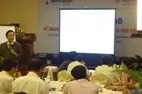
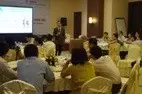
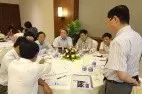
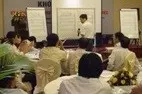
Classes are delivered in small, learner-centered groups. Instructors provide concise input, then facilitate discussions, scenario-based practice, feedback, and reflection so participants can translate knowledge into practical workplace behaviors.
Group Discussions Individual Exercises Group Presentations Brainstorming Techniques Guided Practice with the Instructor Experiential Projects In-Class Activities Role-Playing Activities Class Presentations
6. Class Information
| Expected Start Date | Schedule | Class Hours | Location | Tuition Fee | Registration |
|---|---|---|---|---|---|
| To Be Announced | Saturday – Sunday | 08:30 – 16:30 | Ho Chi Minh City | VND 4,500,000 | Registration |
| To Be Announced | Monday – Thursday | 18:00 – 21:30 | Hanoi | VND 4,500,000 | Registration |
10% discount: registration at least 15 days in advance, groups of three or more participants, or loyal clients.Reserve a Seat
Note: The schedule above is provisional and may be adjusted based on enrollment, class arrangements, and the actual training plan. Masterskills will confirm the official schedule with participants before the course begins.
- Duration: 2 days / 4 sessions; maximum 35 participants per class.
- Ho Chi Minh City: 224 Dien Bien Phu Street, Ban Co Ward, Ho Chi Minh City.
- Hanoi: 51 Le Dai Hanh Street, Hai Ba Trung Ward, Hanoi.
- Corporate in-house training: Delivered at the client’s office or factory; pricing depends on the design scope, location, and class size.
- Additional costs: Instructor travel and accommodation costs are determined by the delivery location, where applicable.
7. Learning Materials & Certification
Participants receive proprietary course materials developed by Masterskills, practical handouts, self-assessment forms, and reference materials aligned with real business situations.
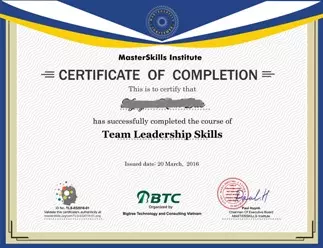
Course Completion Certificate
Participants who meet the attendance and practical requirements receive a Masterskills certificate of program completion.
8. Faculty
Masterskills instructors and experts bring practical management, consulting, and training experience relevant to the program content.
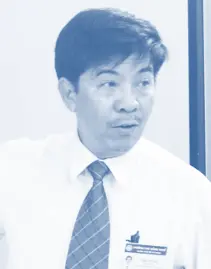
TS. Tran Tien Duc
Manufacturing and maintenance management expert. TPM, 5S, Kaizen, equipment maintenance, and factory operation optimization.

MBA. Nguyen Thanh Binh
Production management expert specializing in Lean Manufacturing, TPM, 5S–Kaizen, and frontline manager development.
9. Masterskills Corporate Profile
An overview of Masterskills’ training capabilities, areas of expertise, delivery methodology, and experience partnering with organizations.
Client Testimonials
View More Client Testimonials“The Equipment and Asset Management course provides practical content, workplace-relevant activities, and clear facilitation. Instructors help participants use appropriate tools, analyze situations, and develop solutions they can apply after the program.”
10. Selected Clients
Masterskills has delivered a number of corporate training programs with content closely related to this course topic.
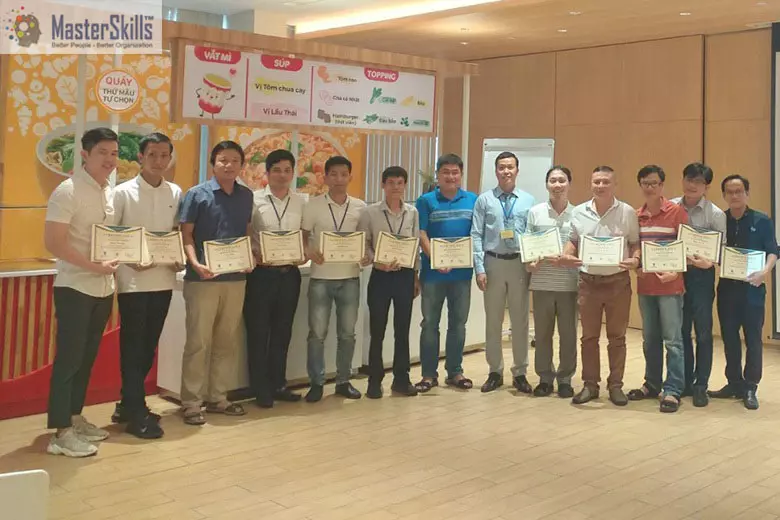 Risk Management and Information SecurityJSC AceCook VietNam – Ho Chi Minh City
 .webp) Industrial Maintenance Management (TPM)Company ABB VietNam – Bac Ninh Industrial Maintenance Management (TPM)Company ABB VietNam - Bac Ninh
Industrial Maintenance Management (TPM)Company ABB VietNam – Bac Ninh Industrial Maintenance Management (TPM)Company ABB VietNam - Bac Ninh .webp) Industrial Maintenance Management - TPMCompany GoldCoin FeedMill Long An
Industrial Maintenance Management - TPMCompany GoldCoin FeedMill Long An .webp) Industrial Maintenance Management - TPMCompany Aviation Fuel (Skypec) - Ho Chi Minh City
Industrial Maintenance Management - TPMCompany Aviation Fuel (Skypec) - Ho Chi Minh City 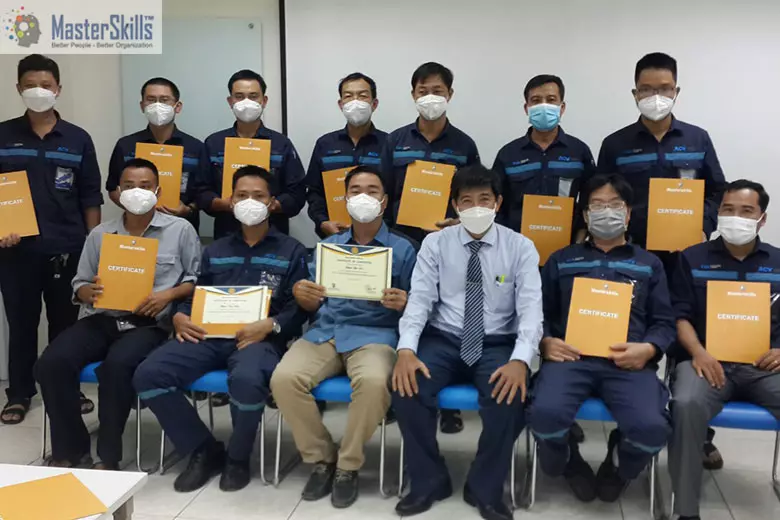 Industrial Maintenance Management - TPMAirport Tan Son Nhat – Ho Chi Minh City
 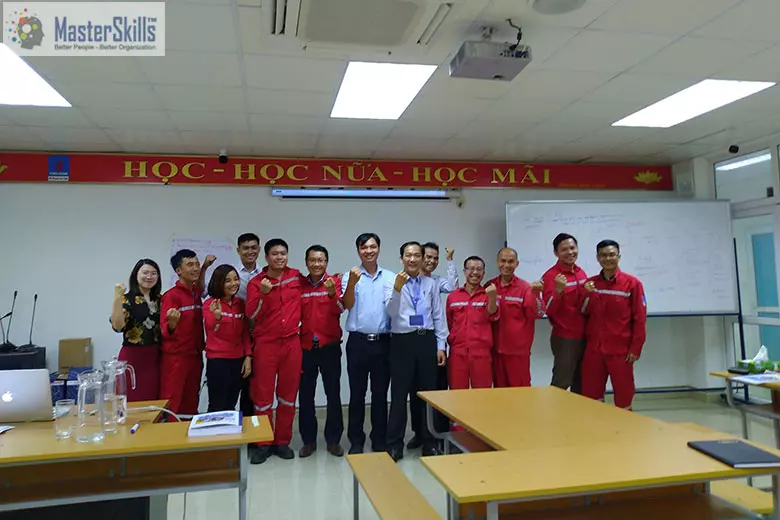 Industrial Maintenance Management (TPM)Company Power Oil and Gas Ha Tinh – Ho Chi Minh City
 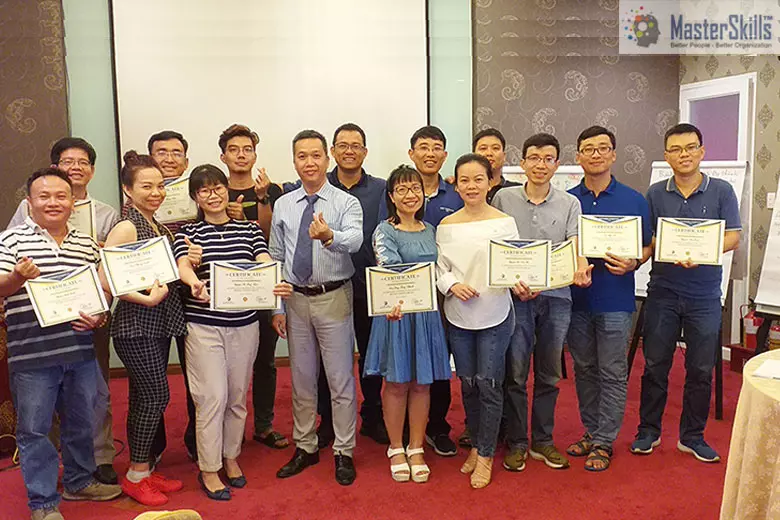 Report Writing SkillsPlant Gas Processing Nam Con Son – Ho Chi Minh City
 Related Courses

Factory Layout Design and OptimizationRen luyen tools thuc tien and nang cao effective work.

Total Productive Maintenance - TPMDevelop maintenance nang suat toan dien -tpm capabilities through real business scenarios.

Basic Maintenance ManagementDevelop management maintenance basic capabilities through real business scenarios.

Production Forecasting and PlanningRen luyen tools thuc tien and nang cao effective work.

Production Reporting SkillsDevelop skills reporting production capabilities through real business scenarios.

Industrial Maintenance ManagementDevelop management maintenance cong nghiep capabilities through real business scenarios.
Ready to develop management equipment and assets capabilities for your team?
Masterskills experts are ready to advise on a Equipment and Asset Management program aligned with your organization’s objectives.