
Proprietary Course MaterialsStandardized content updated in line with the course objectives.






Course
Seven Quality Management Tools
Seven Basic Quality Control Tools
The program helps participants select and use the seven basic quality tools to collect data, set priorities, analyze causes, and control processes.
Table of Contents
1. Course Overview
Quality improvement should be based on data rather than subjective judgment. When information is not collected, classified, and presented properly, teams struggle to identify key problems or evaluate the effectiveness of improvement actions.
The course “Seven Quality Management Tools” guides participants in using check sheets, distribution charts, Pareto charts, cause-and-effect diagrams, scatter diagrams, control charts, and process flowcharts.
Participants practice selecting tools based on purpose, interpreting results, and linking multiple tools in a problem-solving process from data collection to improvement follow-up.
2. Learning Objectives
- Understand purpose, scope su stops and moi lien he of bay tools quality.
- Design phieu kiem tra and organization data for phan tich.
- Use bieu do phan set of and Pareto to identify xu huong and prioritization problem.
- Phan tich causes using so do nhan through and verify using data.
- Doc bieu do phan tan, bieu do control and identify changes process.
- Build luu do and ket hop the tools to follow up on activities improvement.
3. Target Participants
- Employees QA, QC and management qualityNeed to thu thap, phan tich and trinh bay data quality.
- Engineers production, process and technologyParticipate in control changes and improvement process.
- To truong, supervisors and quan docNeed to su stops data to prioritization and handle van to tai hien truong.
- Tbehavioren nhom Lean, Kaizen and giai quyet problemNeed to a set of tools basic to phan tich causes and danh gia results.
4. Course Outline
The content is organized around the data-use sequence: collection, distribution, prioritization, cause analysis, control, and process improvement.
PART 01Overview of the Seven Quality Management Tools
- Concept of bay tools management quality.
- The role of data in improvement quality.
- Moi lien he problem, causes, hanh dong.
- Khi nao ap stops tung tools quality.
- Tu duy prevention thay vi sua defects.
- Model PDCA in management quality.
- Scenario: Loi develop lai but shortage data.
- Practice identify van to quality.
PART 02Check Sheets and Distribution Charts
- Design phieu kiem tra data defects.
- Xac dinh criteria recording agreement.
- Thu thap data tai hien truong practical.
- Use Histogram quan sat phan set of data.
- Identify xu huong abnormalities through tan suat.
- Check reliability of data inputs.
- Example thu thap defects based on ca production.
- Practice develop phieu kiem tra quality.
PART 03Pareto Charts and Problem Prioritization
- Nguyen tac Pareto in management quality.
- Classify defects based on muc do influence.
- Set in Order data based on tan suat, cost.
- Xac dinh nhom defects prioritization handle.
- Tranh dan trai resources improvement quality.
- Process for develop bieu do Pareto basic.
- Scenario: Nhieu defects but not biet prioritization.
- Practice build Pareto defects san pham.
PART 04Cause-and-Effect Diagrams and Cause Analysis
- Concept of so do xuong ca Ishikawa.
- Phan nhom causes based on 5M1E.
- Ket hop data with quan sat hien truong.
- Tranh nham trieu chung with root cause.
- Ask questions dao after using 5Whys.
- Xac minh causes before hanh dong.
- Scenario: Do defects con people set of through systemic.
- Practice phan tich causes defects mau.
PART 05Scatter Diagrams and Control Charts
- Use Scatter Plot tim moi quan he.
- Identify tuong quan between hai bien so.
- Monitor changes process based on thoi gian.
- Distinguish changes thuong and abnormalities.
- Establish limits control appropriate.
- Phan ung when process vuot nguong control.
- Example lien he nhiet do and ty le defects.
- Practice doc bieu do control basic.
PART 06Luu Do Quy Trinh and apply Improvement
- Ve luu do mo ta process current.
- Identify diem control and bottlenecks.
- Ket hop bay tools in project improvement.
- Develop plan hanh dong after phan tich.
- Monitor results before and after improvement.
- Standardize bai hoc thanh process moi.
- Scenario: Improve xong but defects quay lai.
- Practice develop a plan improvement quality.
5. Training Methodology
Classes are delivered in small, learner-centered groups. Instructors provide concise input, then facilitate discussions, scenario-based practice, feedback, and reflection so participants can translate knowledge into practical workplace behaviors.
Group Discussions Individual Exercises Group Presentations Brainstorming Techniques Guided Practice with the Instructor Experiential Projects In-Class Activities Role-Playing Activities Class Presentations
6. Class Information
| Expected Start Date | Schedule | Class Hours | Location | Tuition Fee | Registration |
|---|---|---|---|---|---|
| To Be Announced | Saturday – Sunday | 08:30 – 16:30 | Ho Chi Minh City | VND 4,500,000 | Registration |
| To Be Announced | Monday – Thursday | 18:00 – 21:30 | Hanoi | VND 4,500,000 | Registration |
10% discount: registration at least 15 days in advance, groups of three or more participants, or loyal clients.Reserve a Seat
Note: The schedule above is provisional and may be adjusted based on enrollment, class arrangements, and the actual training plan. Masterskills will confirm the official schedule with participants before the course begins.
- Duration: 2 days / 4 sessions; maximum 35 participants per class.
- Ho Chi Minh City: 224 Dien Bien Phu Street, Ban Co Ward, Ho Chi Minh City.
- Hanoi: 51 Le Dai Hanh Street, Hai Ba Trung Ward, Hanoi.
- Corporate in-house training: Delivered at the client’s office or factory; pricing depends on the design scope, location, and class size.
- Additional costs: Instructor travel and accommodation costs are determined by the delivery location, where applicable.
7. Learning Materials & Certification
Participants receive proprietary course materials developed by Masterskills, practical handouts, self-assessment forms, and reference materials aligned with real business situations.
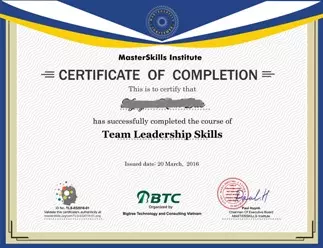
Course Completion Certificate
Participants who meet the attendance and practical requirements receive a Masterskills certificate of program completion.
8. Faculty
Masterskills instructors and experts bring practical management, consulting, and training experience relevant to the program content.

MBA. Hoang Minh Nghiep
Chuyen gia management production & improvement nang suat. Lean, Six Sigma, management nang suat, quality and toi uu systemic van hanh.

TS. Tran Tien Duc
Manufacturing and maintenance management expert. TPM, 5S, Kaizen, equipment maintenance, and factory operation optimization.
9. Masterskills Corporate Profile

An overview of Masterskills’ training capabilities, areas of expertise, delivery methodology, and experience partnering with organizations.

Client Testimonials
View More Client Testimonials“The Seven Quality Management Tools course provides practical content, workplace-relevant activities, and clear facilitation. Instructors help participants use appropriate tools, analyze situations, and develop solutions they can apply after the program.”
10. Selected Clients
Masterskills has delivered a number of corporate training programs with content closely related to this course topic.
.webp) Seven Quality Management ToolsCompany TAKAKO VietNam – Binh Duong
Seven Quality Management ToolsCompany TAKAKO VietNam – Binh Duong 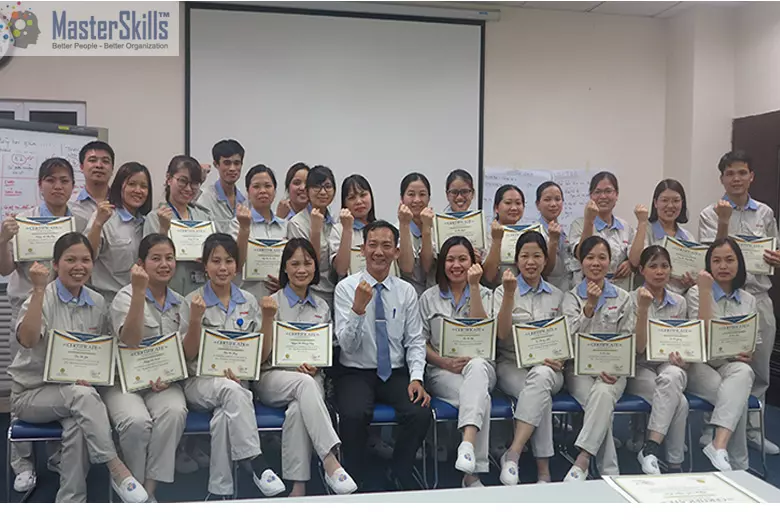 Production Supervision Skills - TWI (Training Within Industry)Co., Ltd. Molex VietNam – Ho Chi Minh City
 .webp) Production ManagementJSC Steel Builder Vietnam - Ho Chi Minh City
Production ManagementJSC Steel Builder Vietnam - Ho Chi Minh City .webp) Communication Skills for Production TeamsCompany Dopla Chau A - Vung Tau
Communication Skills for Production TeamsCompany Dopla Chau A - Vung Tau .webp) Production Management Chuyen NghiepCompany GoldCoin FeedMill Long An
Production Management Chuyen NghiepCompany GoldCoin FeedMill Long An 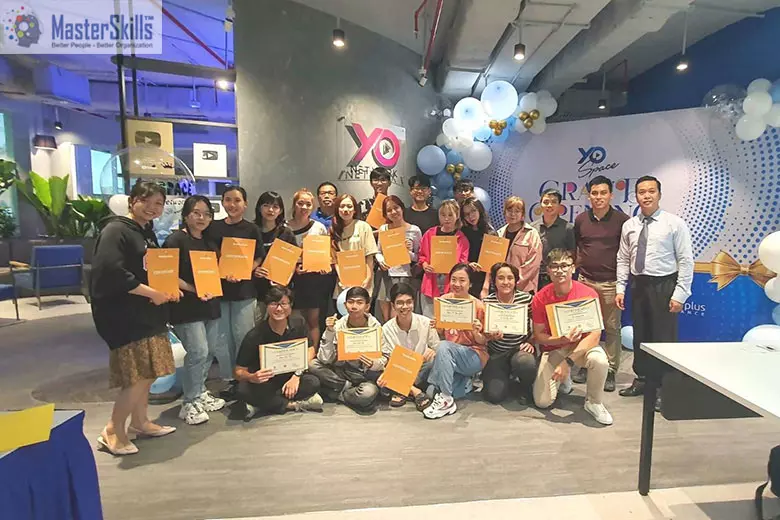 Communication and Emotional Control SkillsJoint Stock Company Youth Telecommunications – Ho Chi Minh City
 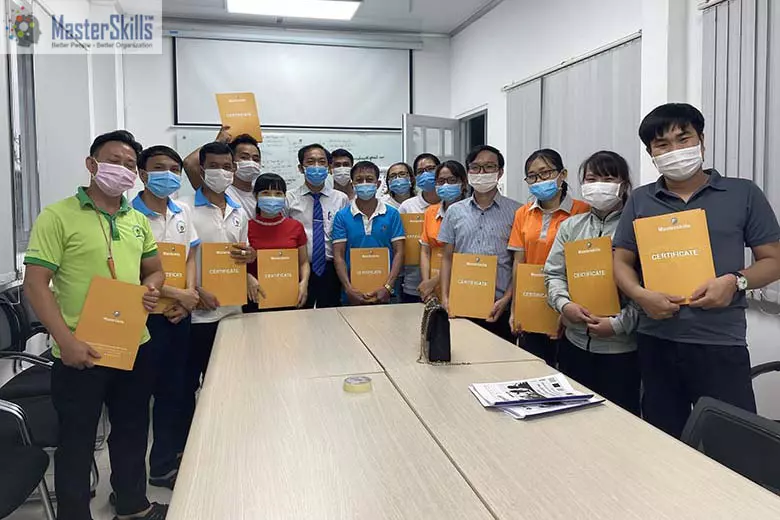 Production Supervision Skills - TWI (Training Within Industry)Co., Ltd. Nature Foods – Province Dong Nai
 .webp) Applying ChatGPT to Improve Work PerformanceCompany Gia Ngoc – Ho Chi Minh City
Applying ChatGPT to Improve Work PerformanceCompany Gia Ngoc – Ho Chi Minh City Related Courses

Phan Tich data productionDevelop phan tich data production capabilities through real business scenarios.

Management Nguyen Vat Lieu productionDevelop management nguyen vat lieu production capabilities through real business scenarios.

Total Quality Management - TQMDevelop management quality - tqm capabilities through real business scenarios.

Management quality 6 SigmaDevelop management quality 6 sigma capabilities through real business scenarios.

Develop Ke Hoach productionDevelop develop a plan production capabilities through real business scenarios.

Production Forecasting and PlanningRen luyen tools thuc tien and nang cao effective work.
Ready to develop 7 tools management quality capabilities for your team?
Masterskills experts are ready to advise on a Seven Quality Management Tools program aligned with your organization’s objectives.