
Proprietary Course MaterialsStandardized content updated in line with the course objectives.






Course
Problem Solving in Purchasing
Problem Solving in Purchasing
The program giup team purchasing xac dinh stops problem, phan tich causes and coordination handle the incidents on requirements, supplier, gia, progress and quality.
Table of Contents
1. Course Overview
In purchasing operations, incidents often do not arise from a single cause. Unclear requirements, supplier selection without sufficient data, weak terms, or slow internal coordination can all lead to late delivery, increased cost, and operational disruption.
The course “Problem Solving in Purchasing” helps participants approach problems through a structured process: clarifying needs, collecting facts, assessing risks, identifying causes, and selecting appropriate solutions. Tools such as TCO, the Kraljic matrix, 5 Whys, and RACI are placed in the context of purchasing operations.
Through scenarios and practical exercises, participants build the ability to handle immediate issues while standardizing coordination, performance follow-up, and prevention of recurring problems.
2. Learning Objectives
- Identify and mo ta chinh xac the van to thuong gap in process purchasing.
- Clarify needs, thong so technical, budget and muc do prioritization before tim supply sources.
- Evaluate supplier and risk supply dua tren nhieu criteria instead of only so sanh gia.
- Phan tich causes of the incidents related to price, progress, quality and supply sources.
- Coordinate effective with the set of phan related to agreement responsibility and solution handle.
- Standardize hanh dong corrective, chi so follow up on and bien phap prevention recurrence.
3. Target Participants
- Employees and chuyen vien purchasingDirectly receiving requirements, tim nguon, so sanh quotations, ordering and handle lead to.
- Personnel supply, logistics and planNeed to coordination handle the van to influence to materials, inventory, progress and activities production.
- Personnel technical, quality and the set of phan requirements muaNeed to lam ro standards, needs su stops and responsibility when lead to discrepancies.
- Truong nhom and management purchasingNeed to build process giai quyet problem, control risk and cai thien performance set of phan.
4. Course Outline
The content moves from problem identification, need clarification, and supplier assessment to issue handling, internal coordination, and recurrence prevention.
PART 01Identify Problem Cot Loi in Purchasing
- The role of purchasing in chuoi values.
- Cac van to thuong gap when purchasing.
- Distinguish needs that and requirements gap.
- Identify risk cost lead to.
- Dau hieu supplier shortage stabilize.
- Model total cost of ownership TCO.
- Scenario: Don hang tre influence production.
- Discussion: Problem purchasing hay coordination.
PART 02Phan Tich Nhu Cau and Lam Ro Yeu Cau
- Thu thap thong tin from department requirements.
- Clarify thong so technical mua.
- Xac dinh criteria prioritization purchasing.
- Check budget and thoi han can.
- Classify muc do khan cap orders.
- Cong cu: Bieu mau requirements purchasing.
- Exercise: Viet requirements purchasing chuan.
- Practice: Phong van internally before mua.
PART 03Danh Gia Nha Cung Cap and risk Cung Ung
- Build selection criteria supplier.
- Evaluate capability delivery practical.
- Check quality and certifications related.
- So sanh quotations based on nhieu criteria.
- Identify risk phu thuoc supplier.
- Ma tran Kraljic classification purchasing categories.
- Scenario: Supplier tang gia dot ngot.
- Exercise nhom: Cham diem supplier.
PART 04Xu Ly Su Co On Gia, Tien Do and quality
- Phan tich causes cham delivery.
- Xac dinh defects do process hay doi tac.
- Techniques for thuong luong when gia changes.
- Phuong an thay the when shortage supply sources.
- Process for handle hang not dat chuan.
- Cong cu: 5 Why in incidents purchasing.
- Case Study: materials sai quy cach dat mua.
- Practice: Develop solution handle khan cap.
PART 05Phoi Hop Noi set of to Giai Quyet Problem
- Establish luong trao doi between department.
- Clarify responsibility based on mo hinh RACI.
- Management expectations of set of phan requirements.
- Update progress purchasing transparency.
- Handle xung dot between cost and quality.
- Scenario: production hang ngay develop tuc.
- Role-play: Thuong luong with department internal.
- Exercise: Design process coordination.
PART 06Standardization and Prevention Problem Recurrence
- Build categories strategic supplier.
- Establish chi so danh gia performance purchasing.
- Standardize contract and terms risk.
- Luu tru data gia and schedule su mua.
- Improve process approval orders.
- Hop rut kinh nghiem after incidents lon.
- Ke hoach: Reduce defects purchasing periodic.
- Commitment to: Apply improvement in work.
5. Training Methodology
Classes are delivered in small, learner-centered groups. Instructors provide concise input, then facilitate discussions, scenario-based practice, feedback, and reflection so participants can translate knowledge into practical workplace behaviors.
Group Discussions Individual Exercises Group Presentations Brainstorming Techniques Guided Practice with the Instructor Experiential Projects In-Class Activities Role-Playing Activities Class Presentations
6. Class Information
| Expected Start Date | Schedule | Class Hours | Location | Tuition Fee | Registration |
|---|---|---|---|---|---|
| To Be Announced | Saturday – Sunday | 08:30 – 16:30 | Ho Chi Minh City | VND 4,500,000 | Registration |
| To Be Announced | Monday – Thursday | 18:00 – 21:30 | Hanoi | VND 4,500,000 | Registration |
10% discount: registration at least 15 days in advance, groups of three or more participants, or loyal clients.Reserve a Seat
Note: The schedule above is provisional and may be adjusted based on enrollment, class arrangements, and the actual training plan. Masterskills will confirm the official schedule with participants before the course begins.
- Duration: 2 days / 4 sessions; maximum 35 participants per class.
- Ho Chi Minh City: 224 Dien Bien Phu Street, Ban Co Ward, Ho Chi Minh City.
- Hanoi: 51 Le Dai Hanh Street, Hai Ba Trung Ward, Hanoi.
- Corporate in-house training: Delivered at the client’s office or factory; pricing depends on the design scope, location, and class size.
- Additional costs: Instructor travel and accommodation costs are determined by the delivery location, where applicable.
7. Learning Materials & Certification
Participants receive proprietary course materials developed by Masterskills, practical handouts, self-assessment forms, and reference materials aligned with real business situations.
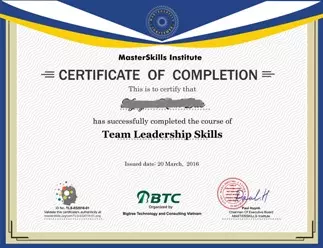
Course Completion Certificate
Participants who meet the attendance and practical requirements receive a Masterskills certificate of program completion.
8. Faculty
Masterskills instructors and experts bring practical management, consulting, and training experience relevant to the program content.

TS. Le Van Bay
Logistics and supply chain expert specializing in supply chain management, purchasing, import-export, and logistics optimization.

MBA. Paul Huynh
Leadership and capability development expert specializing in management skills, critical thinking, execution leadership, and coaching.
9. Masterskills Corporate Profile
An overview of Masterskills’ training capabilities, areas of expertise, delivery methodology, and experience partnering with organizations.
Client Testimonials
View More Client Testimonials“The Problem Solving in Purchasing course provides practical content, workplace-relevant activities, and clear facilitation. Instructors help participants use appropriate tools, analyze situations, and develop solutions they can apply after the program.”
10. Selected Clients
Masterskills has delivered a number of corporate training programs with content closely related to this course topic.
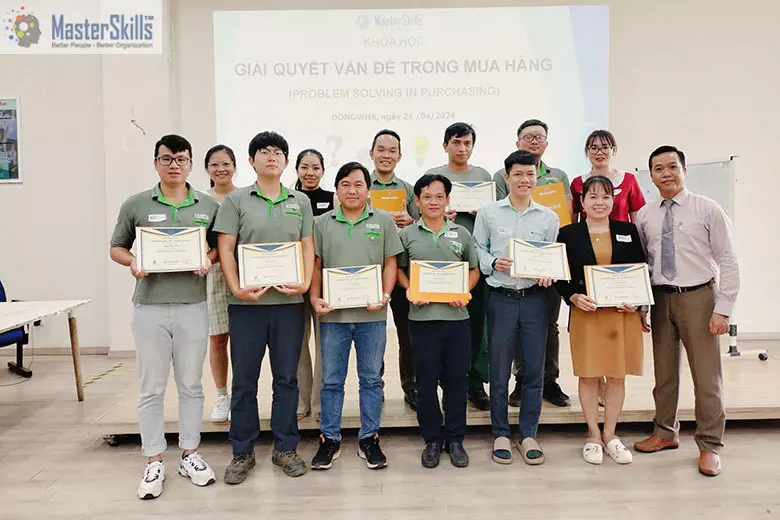 Problem Solving in PurchasingCompany go MDF VRG Dongwha - Province Binh Phuoc
 .webp) Problem-Solving Skills & Ra Quyet DinhKhach San New World (ITC) - Ho Chi Minh City
Problem-Solving Skills & Ra Quyet DinhKhach San New World (ITC) - Ho Chi Minh City .webp) Negotiation and Problem-Solving SkillsCompany Sapporo Vietnam - Ho Chi Minh City
Negotiation and Problem-Solving SkillsCompany Sapporo Vietnam - Ho Chi Minh City 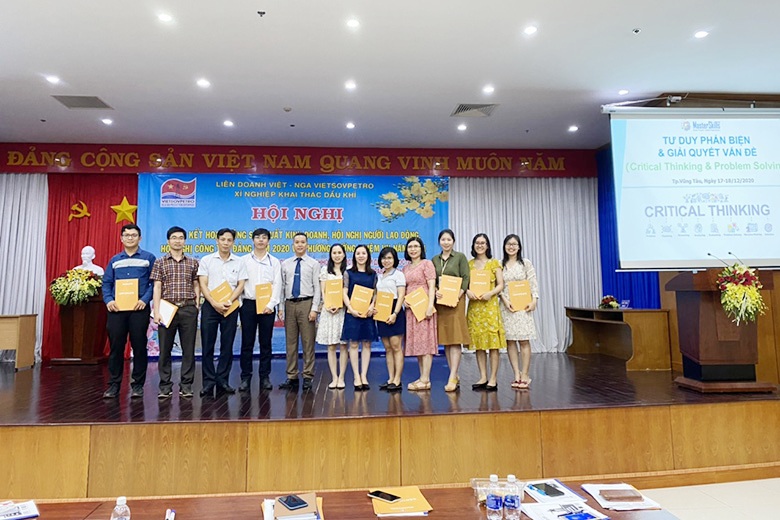 Critical Thinking and Problem-Solving SkillsEnterprise Khai Thac Oil and Gas VietsoPetro – Vung Tau
 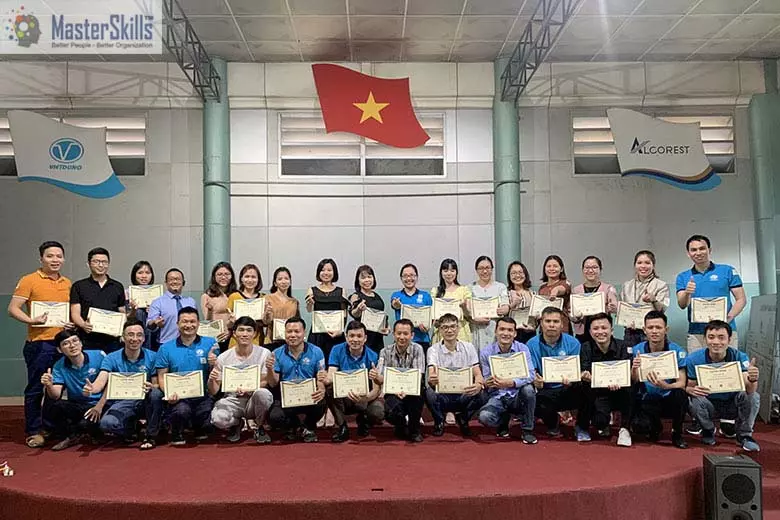 Customer Complaint ResolutionJoint Stock Company Aluminum Viet Dung – Ho Chi Minh City
 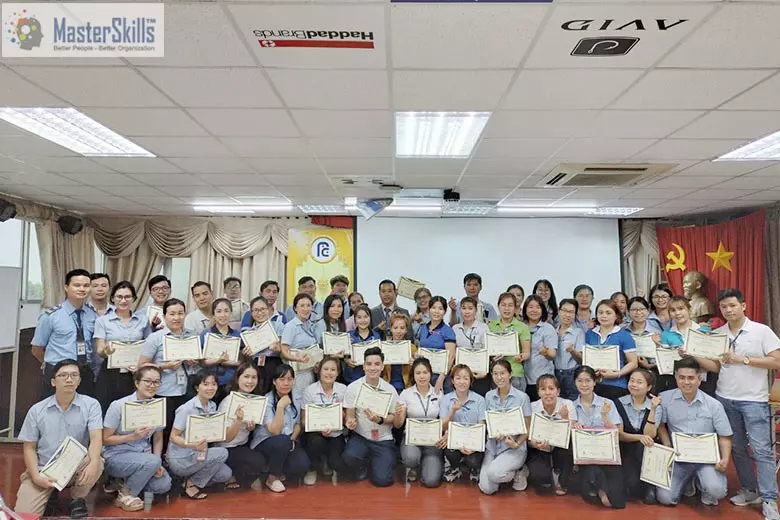 Problem-Solving SkillsCompany Far Eastern Apparel Viet Nam (FEAV) – Province Binh Duong
 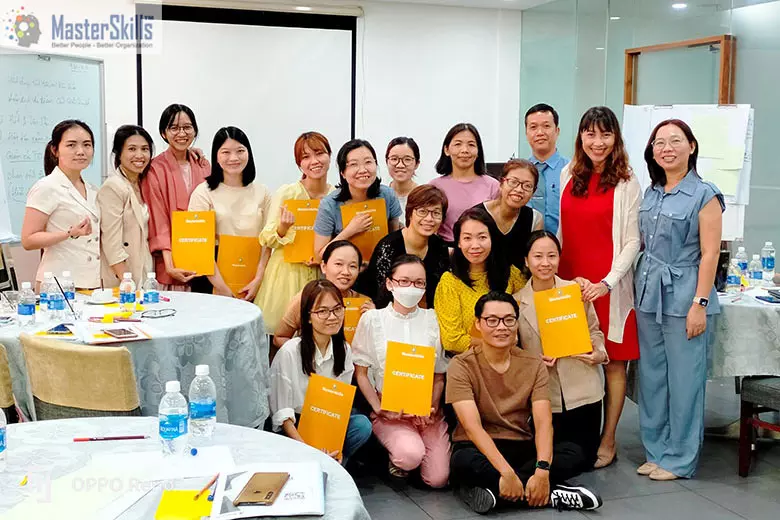 Problem-Solving SkillsJSC Talent Recruitment (HR2B) – Ho Chi Minh City
 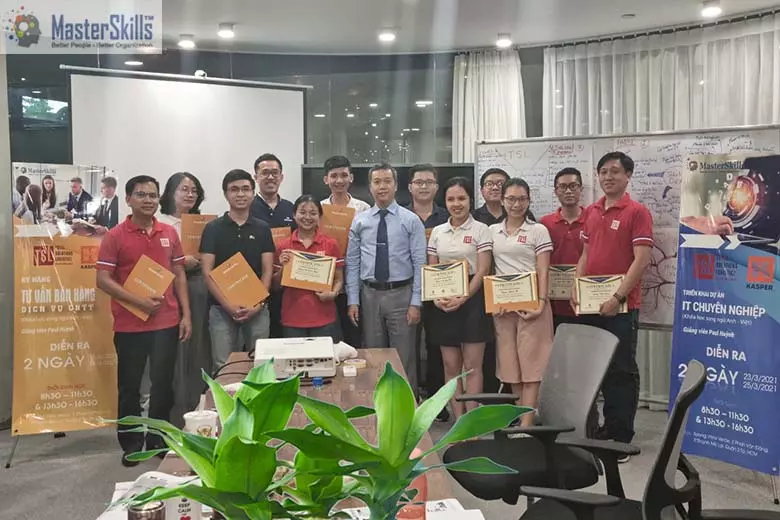 Solution-Based Consultative Selling SkillsCompany Solutions TSL – Ho Chi Minh City
 Related Courses

Purchasing Negotiation SkillsDevelop purchasing negotiation capabilities through real business scenarios.

Purchasing Risk ManagementDevelop purchasing risk management capabilities through real business scenarios.

Supplier ManagementDevelop supplier management capabilities through real business scenarios.

Effective Purchasing SkillsDevelop effective purchasing capabilities through real business scenarios.

Global Purchasing StrategyDevelop global purchasing strategy capabilities through real business scenarios.

Effective Purchasing ManagementDevelop effective purchasing management capabilities through real business scenarios.
Ready to develop problem solving in purchasing capabilities for your team?
Masterskills experts are ready to advise on a Problem Solving in Purchasing program aligned with your organization’s objectives.